PRIDE: The Intersection of Individual Fulfilment and Social Interest(1)
Reza Reihani Bozorg, [9/13/2025 11:59 AM]
PRIDE: The Intersection of Individual Fulfilment and Social Interest(1)
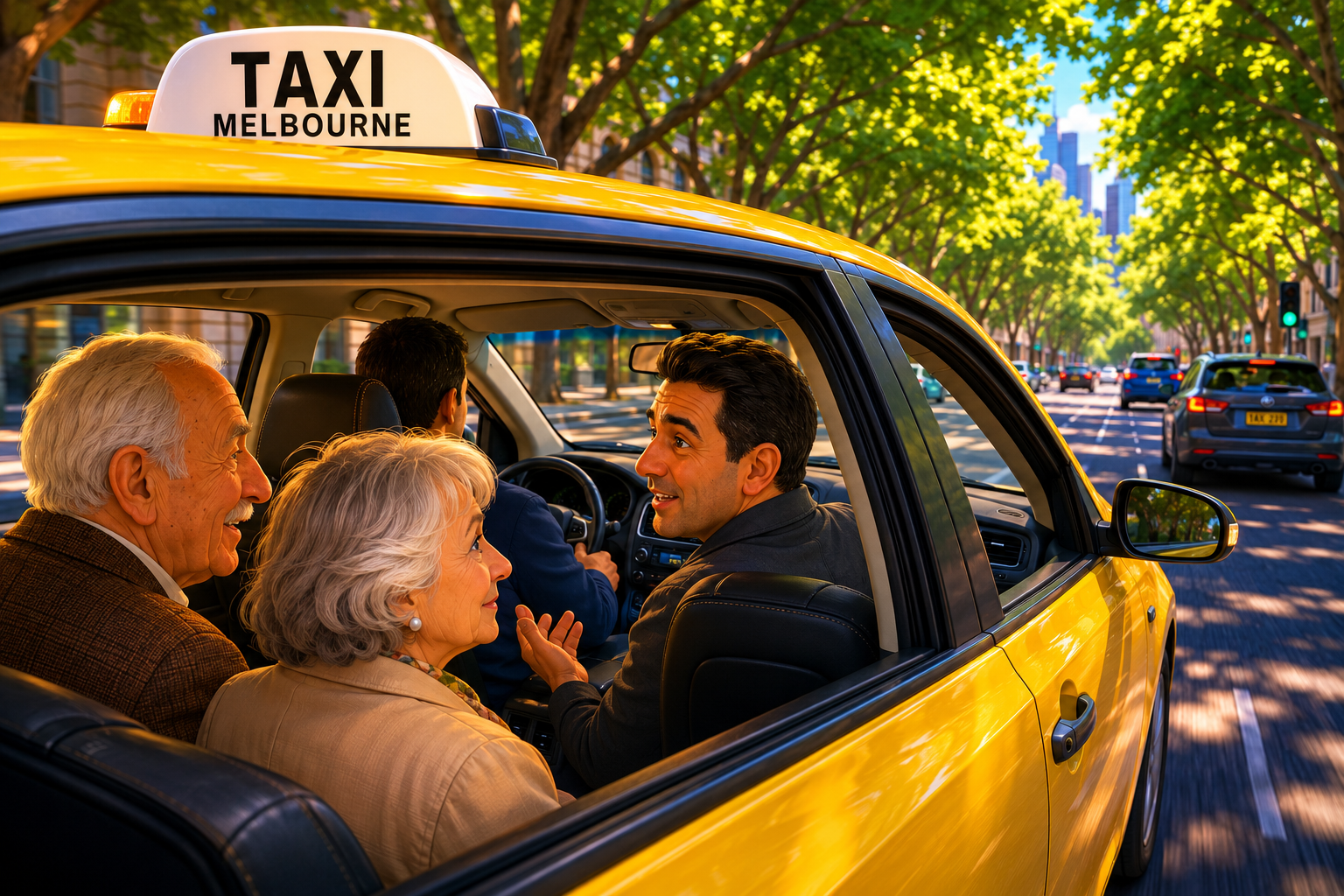
I was on my way to work in a taxi when, midway, an elderly couple joined me as co-passengers. During the ride, as we passed a scenic street lined with trees whose branches from both sides created a perfect shade over the entire road, the lady asked her husband: “What is the name of this street?” The man answered: “Bridge Street.”
Suddenly, I was about to turn my head and say, “No, this is Mont Albert Road,” but my eyes unexpectedly met the old man’s eyes, which were pleadingly looking at me.
I swallowed my words and nodded in agreement instead. Immediately, I saw a sparkle of joy and pride in his eyes. I thought to myself: the fact that the elderly lady knew the street name correctly was far less important than preserving the dignity and pride of the old man.
Honor is a need which, besides bread and water, is almost everything that gives meaning to life. Without exaggeration, if the need for honor is not greater than physiological needs, it is certainly not less. Honor is the foundation of life, and the entire flow of existence stems from it.
If gaining purchasing power is the black-and-white, soulless frame of life’s canvas, then honor is the color that brightens it and turns our world into a colorful one.
Honor gives “me” the energy and motivation to keep striving; it is the lens through which I see the world more beautifully, the source of self-confidence and humility that allows me to respect myself. On the other hand, it defines my place in society and determines the measure of my social value.
That old man was a living being who, although he had lost the abilities of his youth and stood on the edge of losing cognitive skills, was still striving with all his might to be honorable before his small society—his wife. It was this need that stopped him from admitting forgetfulness.
To understand this, it suffices to recall those moments in our lives when we compare our advantages to others and feel joy, or when we compare ourselves to stronger rivals and anxiously strive to reach a higher status—or at least act in different ways to reduce our sense of loss.
The possibility of achieving honor preserves mental health. Honor starts with the individual, extends to society, and ultimately reaches the elevation of the spirit and closeness to God. Honor is the engine of progress, a fuel-less motor powerful enough to mobilize all human potential and make the impossible possible.
The honor of each member of society is part of the collective honor of the larger community. The mutual exchanges between the individual and society generate an exponential cycle of honor-making.
But it is worthwhile to reflect on the why and how of honor’s emergence. Honor revolves around three essential elements: myself, my society, and our shared concerns.
Myself
The “self” represents a personality that needs to step into a developmental cycle of emotional and psychological skills, in order to harness feelings, emotions, and motivations for social direction.
Like a child who, in a rivalry-free environment, enjoys parental attention in peace, but as soon as a younger sibling is born, feels threatened and reacts. Or when the child enters a new social environment such as kindergarten or school, suddenly encountering external signals that trigger a chain of subconscious reactions. These reactions gradually form the basis of motivations. The child learns how to compete within a social culture different from that of the family, striving to maintain superiority.
In ideal conditions, the self always wants to be outstanding in any society it enters—to be loved, to have a place filled with honor.
My Society
This is the community that inherently shares goals and concerns with me and is meant to benefit from my personal and social sacrifices and efforts—while also giving feedback.
The scale of “my society” can be small, like a family, or slightly larger, like classmates or colleagues, and of course much larger, like fellow citizens, compatriots, or humanity as a whole.
Society is both the driving force behind the motivation for honor and the main beneficiary of the honorable achievements of individuals. That is why analyzing society’s role and its countless advantages from adopting principled stances has always drawn the attention of influential social actors.
On the other hand, clarifying the damages caused by the frustration of society’s individuals warns leaders of the dangers: suppressing or ignoring such needs can turn the pursuit of honor into anti-social events and phenomena.
Perceptions, feedback, and other forms of public reactions—even judgments of people toward the existence or performance of society’s members—are decisive in shaping the emotions and future behaviors of those individuals. For a normal person, positive feedback creates honor, and honor sustains life’s direction. Conversely, negative feedback causes disgrace, which for a normal person may trigger corrective efforts aimed at regaining honor.
When I achieve a level considered success by my society’s standards, I feel honor. If there were no society to react to these achievements, such success would lose its meaning and bring me no joy.
For example, consider the bitter reality for many Iranian immigrants:
A young person deprived of suitable employment in Iran—or with wages too small to allow even moving out of the parental home—soon after migration finds a decent job, and thanks to the economic mechanisms of developed countries, can quickly buy a new car, a house, and build a different life.
Now he is in a position to be proud, yet he lacks a society in which to feel honorable. There is no family, no classmates, no friends—no one to discuss, praise, envy, gossip about, or otherwise react to his achievements. The absence of such social reactions makes his existence feel meaningless.
Although reaching personal goals creates moments of pleasure, the joy of honor that comes from sharing success with others is much stronger and more lasting. If not the entire motivation for life, at least for most people social feedback is central; only a few individuals live solely on inner motivation.
This absence of honor renders the lives of many successful immigrants cold and soulless. To overcome it, they must not only pursue academic, artistic, or economic success, but also endure long, exhausting efforts to form a new society, just so they can share their sense of honor with others.
Shared Concerns Between Myself and My Society
All the defined duties, implicit commitments rooted in social norms, and debts I feel—whether willingly or not—are concerns shared by me and my society.
For example, achieving a good academic rank and hearing praise from relatives is an early concern valued by both myself and my parents. Excelling over rivals is one of the earliest motives for honor. A youth seeking reputation knows that enjoying the highest possible facilities and comforts depends on being honored for qualities such as humanity, knowledge, strength, position, wealth, or power.
Over time, however, life shifts: maintaining what one has and avoiding loss itself becomes a source of honor. Like the old man in my story—his honor was not in greatness, but in not forgetting, in preserving dignity before his wife.
The Sources of Pride
Social values and norms are the richest sources of honor. Hence, society’s role here is far stronger than that of other factors. Planning and guiding social culture, and focusing on spiritual elements capable of attracting public attention, are the most vital grounds for honor.
Throughout human history, large-scale foundations such as nationality, ethnicity, patriotism, religion, and character have always been the nuclei of mobilizing societies. Sometimes they have been used against threats; other times for expansion, endurance of hardships, or even conquest.
The mental health of society is another important result, much of which is tied to self-honor: the father who prides himself on supporting his family, the mother who takes pride in bringing warmth and peace to the home, and the children who find honor in fulfilling their duties.
Perhaps the feeling of honor can be equated with “the joy of my sacrifice for my society.” Although, in countries with stronger social discipline, the word “sacrifice” is replaced with “fulfilling one’s social responsibility.”
Final Word
Regardless of why societies have been mobilized in different times and places, or which groups sparked such popular movements, or whether leaders used or abused them—what truly matters is realizing the unparalleled potential of honor, a force with no expiration date, available to those responsible for guiding societies.
Human beings are inherently in need of honor. Honor is a precious resource that can easily bring individuals out of their personal fortresses and align them with broader social aspirations.
Social management strategies designed based on expert recognition of the sources of honor have always produced positive and successful outcomes. Conversely, clumsiness or poor choices in selecting themes—or insisting on suppressing sources of honor deeply tied to people’s nature—can alone be enough to drag societies into decline and collapse.
Gholamreza Reihani Bozorg
28/12/2024